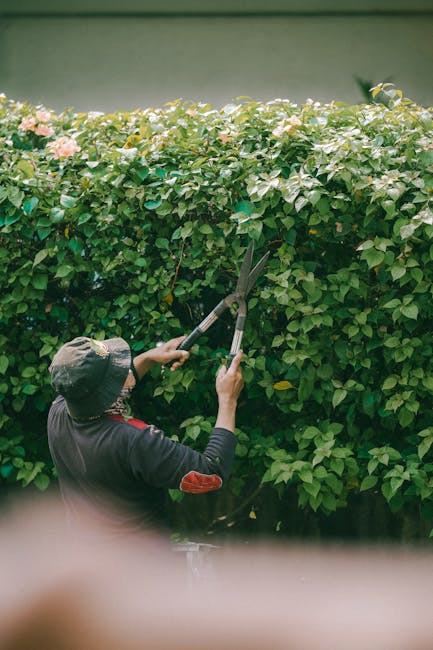
Emergency Hedge Trimming Chessington Gardeners Delays: What To Do When Time Matters
If your hedge has suddenly become unsafe, overgrown, or awkwardly blocking access, Emergency hedge trimming Chessington gardeners delays can feel like a very real problem rather than a minor garden job. A stormy night, a snapped branch, a hedge pushing into a path, or a neighbour asking for it to be sorted quickly - these situations do not wait politely. And to be fair, when you are already dealing with a delay, what you need most is clarity: what counts as an emergency, what usually slows a gardener down, and what you can do right now to keep things moving.
This guide breaks the subject down in plain English. You will learn how emergency hedge trimming typically works, why delays happen, what you can do while waiting, and how to judge the difference between a routine booking and a genuinely urgent hedge problem. We will also cover practical safety steps, best-practice expectations, and a realistic checklist you can use before speaking with a gardener. If you are comparing services, it may also help to look at the broader range of garden services available in Chessington so you can see where hedge work fits alongside maintenance, clearance, and landscaping.
Expert summary: An emergency hedge job is usually less about a perfectly neat finish and more about restoring safety, access, and control quickly. If delays are involved, good communication and a clear brief matter almost as much as the trimming itself.
Table of Contents
- Why Emergency hedge trimming Chessington gardeners delays Matters
- How Emergency hedge trimming Chessington gardeners delays Works
- Key Benefits and Practical Advantages
- Who This Is For and When It Makes Sense
- Step-by-Step Guidance
- Expert Tips for Better Results
- Common Mistakes to Avoid
- Tools, Resources and Recommendations
- Law, Compliance, Standards, or Best Practice
- Options, Methods, or Comparison Table
- Case Study or Real-World Example
- Practical Checklist
- Conclusion
- Frequently Asked Questions
Why Emergency hedge trimming Chessington gardeners delays Matters
Delay is the part people often underestimate. A hedge can go from "a bit untidy" to "needs attention now" faster than you expect, especially after heavy rain, wind, or a burst of growth in spring and early summer. In Chessington, where gardens often sit close to paths, driveways, fences, and neighbouring properties, a hedge that is left too long can affect safety, visibility, privacy, and access all at once.
When gardeners are delayed, the issue is not only inconvenience. It can become a practical problem: a driveway gate that barely opens, a path narrowed by sharp growth, a hedge leaning into a road-facing boundary, or branches that have been pushed by weather and now rub or snag. No drama. Just a garden that has got ahead of you.
There is also the timing angle. If you are planning around a family event, a property viewing, or simply want the front of the home looking presentable, delays can feel frustratingly visible. A hedge is one of those things that people notice immediately. Even when they do not say it, they notice. That is the reality.
For homeowners, landlords, and managing agents, hedge delays can also affect follow-on work. For example, if a boundary hedge needs trimming before lawn mowing or wider garden maintenance, one delayed task can hold up the whole schedule. That is why an emergency request is usually best handled with a clear, ordered response rather than a vague "we'll sort it sometime this week".
How Emergency hedge trimming Chessington gardeners delays Works
In practice, an emergency hedge trimming request usually starts with an assessment of urgency. A gardener will want to know what has happened, what the hedge is affecting, and whether there is any immediate risk. Is the hedge blocking a footpath? Is it brushing a fence or property? Has a branch snapped? Are children, pets, or visitors being forced into a narrow route? Those details matter. They shape the response.
A good local gardener will normally triage the job first. That means they will decide whether it needs same-day attention, next available attendance, or a planned booking. If weather, previous commitments, or travel create delays, the honest answer is usually better than a rushed promise. A delayed arrival is annoying. A poor-quality or unsafe cut is worse.
Emergency hedge trimming is rarely about making every line perfect. It is often a practical reduction: restoring visibility, removing dangerous protrusions, clearing access, and taking the hedge back to a safe temporary shape. The finer shaping can happen later, when time and conditions allow. That approach is sensible, especially after windy weather when the material may still be damp or unstable.
For more formal jobs, hedge work may sit alongside tree lopping and removal if a branch or larger woody growth is creating the problem. That is why a quick description on the phone or by message helps so much. It avoids the classic "I thought it was a hedge, turns out it was half a tree" moment. Happens more often than you would think.
Key Benefits and Practical Advantages
The main benefit of emergency hedge trimming is simple: it reduces immediate risk and restores order quickly. But there are several smaller advantages that are easy to miss when you are in a rush.
- Safer access: Paths, driveways, entrances, and side gates become easier to use.
- Better visibility: Overgrown edges that obscure sightlines can be cut back promptly.
- Less damage: Neighbouring fences, surfaces, and planting are less likely to be scratched or compressed.
- Faster problem control: A hedge can be stabilised before it becomes a bigger job.
- More manageable follow-up work: A temporary reduction makes later shaping easier and cheaper in many cases.
There is also a confidence benefit. Once the hedge is brought back under control, the whole garden feels less pressurised. It is remarkable how quickly one unruly hedge can make the rest of the space feel neglected. Trim that one thing, and the garden suddenly breathes again.
If your delay is tied to a larger outdoor refresh, it can make sense to coordinate hedge work with landscaping or landscape gardening. That way, the urgent cut does not become a stand-alone patch-up. It becomes part of a sensible plan.
Who This Is For and When It Makes Sense
This kind of service is useful for a fairly wide group of people, and the trigger is not always obvious. You might think "it can wait" until the hedge starts causing a real issue. Then it is suddenly all you can think about.
It makes sense if you are:
- a homeowner with a hedge blocking an entrance or path
- a landlord needing the front boundary cleared before inspection or letting
- a property manager dealing with a complaint or access issue
- a busy family trying to make the garden safer for children or pets
- someone returning from holiday to find the hedge has gone wild
- an older resident who needs a safer, easier route into the property
It also makes sense when a hedge has become too much for a DIY approach. If the job is high, awkward, thorny, or close to public-facing edges, the risk and effort climb quickly. Add a delay into the mix and the frustration doubles. Let's face it, nobody wants to spend a Saturday wrestling a hedge cutter while balancing on a wonky step.
For some households, the right next step is not only hedge trimming but broader tidying support. A delayed hedge job can be a sign that the whole garden needs a reset, in which case garden clearance may be part of the solution too.
Step-by-Step Guidance
If you need help quickly and the booking is delayed, a calm, practical process works best. Here is a sensible way to handle it.
- Assess the urgency. Decide whether the hedge is simply untidy or genuinely affecting safety, access, or property boundaries.
- Take a few photos. Wide shots plus close-ups help the gardener understand the scale without needing a long back-and-forth.
- Note the problem clearly. Mention whether the hedge is blocking a path, leaning into a driveway, touching a fence, or dropping debris.
- Ask about the earliest realistic slot. A straight answer is more useful than a hopeful one.
- Prepare the area. Move cars, pots, bikes, and fragile items away from the hedge line if possible.
- Confirm what the job includes. A safety cut, an access cut, and a full shape-up are not always the same thing.
- Plan the follow-up. If the first visit is a quick reduction, book the finishing work later while the hedge is still manageable.
That last step matters more than people realise. Emergency work can solve the immediate pressure, but a follow-on visit is often what turns the hedge from "better" into "properly done".
If a quote or payment step is part of your booking, it is worth checking the site's payment and security information and pricing and quotes guidance so there are no misunderstandings when time is already tight.
Expert Tips for Better Results
Here is the practical stuff that tends to make the biggest difference.
1. Be specific about the problem. "It's overgrown" is useful, but "it's blocking the side gate and scraping the car" is better. A gardener can prioritise properly when they know what is urgent.
2. Separate urgent from cosmetic. If the hedge is unsafe, trim for safety first. Neat edges can wait. That is not a compromise; it is good judgement.
3. Clear the work area before arrival. Even a five-minute tidy can save a lot of time. Garden hoses, toys, garden furniture, and wheelie bins have a funny habit of hiding right where they are most annoying.
4. Ask what weather may change. Damp hedges can be heavier and messier to cut. Wind can make sections harder to manage. A little patience may improve the result and the safety of the work.
5. Think about waste removal early. Hedge cuttings are bulky. If there is a lot of material, it can help to discuss disposal in advance rather than discovering the pile after the work is done.
6. Build in maintenance. Emergency trimming is usually less stressful when the hedge is kept under control during the year. A small, regular cut is easier than a heroic rescue operation at the last minute. Truth be told, gardens rarely reward neglect.
If you want a steadier routine rather than just a one-off rescue, hedge trimming services and ongoing garden maintenance are often the most sensible long-term pair.
Common Mistakes to Avoid
Delays make people rush, and that is where avoidable mistakes creep in.
- Waiting until access is fully blocked. It is easier to manage the job before it becomes urgent.
- Assuming all hedge jobs are the same. A light trim and a safety reduction are different tasks.
- Cutting too much at once. Severe overcutting can leave the hedge stressed or uneven.
- Ignoring nearby structures. Fences, windows, sheds, decking edges, and paths all deserve a careful approach.
- Not asking about waste. A neat trim can still leave a very large pile.
- Choosing speed over safe access. Quick is good. Unsafe is not.
One small but common mistake is trying to "help" by starting a partial DIY cut before the gardener arrives. Sometimes that is fine. Sometimes it just creates a lopsided edge and leaves the awkward bits for someone else. A little humour there, but it does happen.
If the surrounding garden is messy as well, it may be better to pair the hedge job with lawn mowing or even a broader tidy-up through related garden services so the result feels coherent rather than half-finished.
Tools, Resources and Recommendations
For homeowners, the most useful "tool" is often information. Still, it helps to know what a professional may use and what you might keep ready before they arrive.
| Item | Why it helps | Practical note |
|---|---|---|
| Photos of the hedge problem | Shows scale and urgency | Include wide shots and close-ups |
| Clear access route | Speeds up the visit | Move vehicles, pots, and bins if you can |
| Basic garden waste plan | Avoids surprises | Agree whether clippings are removed or left onsite |
| Weather awareness | Helps timing and safety | Damp and wind can change the approach |
| Follow-up maintenance schedule | Prevents repeat delays | Useful for fast-growing hedges |
From a service perspective, look for clear communication, realistic arrival windows, and a sensible explanation of what can be done immediately versus later. That is often a better sign than big promises. A straight answer is worth a lot when you are dealing with a late hedge job and the afternoon is slipping away.
You may also find it useful to review practical site information such as insurance and safety, health and safety policy, and about the company if you want reassurance before booking. Not flashy, just sensible.
Law, Compliance, Standards, or Best Practice
With hedge trimming, the main compliance issue is usually not a dramatic legal battle. It is more about being careful, respectful, and aware of the practical rules around property boundaries, access, and safety. If a hedge sits near a pavement, road edge, or shared boundary, trimming should be done in a way that avoids unnecessary obstruction or damage. If there is uncertainty about ownership or responsibility, that is best clarified before cutting.
Good practice in the UK generally means using safe equipment, working within the conditions of the site, and taking care around people, pets, and neighbouring property. If a hedge is tangled with tree growth or large woody sections, it may need a different approach from a standard trim. That is one reason why experienced gardeners tend to ask questions before they start.
Waste handling is another practical point. Hedge cuttings and green waste should be managed responsibly, and a clear disposal plan is often part of a professional service. If sustainability matters to you, it is reasonable to ask how the waste will be dealt with and whether the team follows recycling-minded practices. You can also review the company's recycling and sustainability information for extra reassurance.
There is also a customer-service side to best practice. If you are unhappy with delays, a clear complaints route is useful, especially if the booking has shifted without adequate notice. In those situations, formal complaints procedure details can help keep the conversation calm and organised.
Options, Methods, or Comparison Table
Not every hedge problem needs the same response. The right method depends on urgency, hedge condition, and how much time the gardener has when they arrive.
| Approach | Best for | Pros | Limitations |
|---|---|---|---|
| Safety reduction | Blocked access, overhang, urgent visibility issues | Fast, practical, effective | Not usually a finished look |
| Standard hedge trim | Routine maintenance and shaping | Neater result, better long-term control | Less suited to urgent delay scenarios |
| Combined garden tidy-up | Messy gardens with several neglected areas | More cohesive outcome | May need more time and budget |
| Hedge plus tree work | Mixed hedge and branch issues | Solves related access or safety problems | Requires broader assessment |
If you are unsure which route fits, ask for the priority version first. A quick reduction can be followed by a more detailed trim later. That is often the least stressful path for everyone involved. Sometimes the smartest solution is the one that keeps today manageable and leaves next week less chaotic.
Case Study or Real-World Example
Here is a realistic example. A homeowner in Chessington returns after a wet, windy weekend and finds a front hedge leaning into the path, with growth brushing the gate and the driveway edge. The hedge is not fallen over, but it is now awkward enough that visitors would need to squeeze past. Not ideal, especially if parcels, bins, or children are involved.
The gardener is contacted with photos and a clear note: access is restricted, the hedge is touching the walkway, and a quick attendance would help. Because the request is explained well, the job is treated as a priority reduction rather than a full ornamental reshape. The hedge is cut back to restore safe movement first. The cleaner finish is scheduled for a later visit when conditions are better and time is less tight.
What made the difference? Good information, realistic expectations, and a clear sense of urgency. The customer did not need a perfect hedge that day. They needed the garden to work again. That distinction matters more than most people realise.
In a different but similar case, a delayed hedge trim was paired with garden clearance because clippings, old pots, and a few forgotten bits of debris were cluttering the work area. The result was not just a trimmed hedge, but a more usable front garden. A small thing, perhaps. But it changes how the whole place feels when you step outside in the morning.
Practical Checklist
Use this checklist before chasing a delayed booking or asking for emergency hedge help:
- Is the hedge affecting safety, access, or visibility?
- Have I taken clear photos of the problem?
- Have I noted exactly what needs fixing right now?
- Can I move cars, bins, furniture, or pots out of the way?
- Do I know whether I need a quick reduction or a full trim?
- Have I asked about waste removal?
- Do I need the hedge linked to other garden work later?
- Have I checked the company's pricing, payment, and safety information?
- Do I have a follow-up date in mind for finishing work?
- Am I happy to prioritise safety over perfect shape, at least for now?
If you can answer most of those with confidence, you are in a much better position to get the right outcome without wasting time. And if the answer is "not really" to several of them, that is fine too. Better to pause and clarify than rush into the wrong kind of job.
Get a free quote today and see how much you can save.
Conclusion
Emergency hedge trimming with delays is not just a scheduling issue. It is a practical response to a garden that has become hard to use, hard to manage, or simply too risky to leave as it is. The best results usually come from clear communication, a realistic brief, and a willingness to separate urgent safety work from the cosmetic finish.
In Chessington, where hedges often sit close to paths, parking spaces, and boundary lines, a delayed trim can affect the day-to-day feel of the property far more than people expect. The good news is that most hedge problems become manageable again once the right priorities are set. Safety first, shape second. That usually does the trick.
If you are dealing with an overdue hedge and want a more organised route forward, take a breath, gather the basics, and ask for the clearest possible next step. Gardens have a way of settling back down once someone gives them proper attention. Honestly, that first clean line can feel like a little reset.
Frequently Asked Questions
What counts as an emergency hedge trimming job?
An emergency job usually means the hedge is affecting safety, access, visibility, or property use. Common examples include blocked gates, overhanging growth, wind damage, and hedges that are pushing people off a narrow path.
Why do emergency hedge trimming jobs get delayed?
Delays often happen because of weather, prior bookings, travel time, equipment needs, or the fact that the hedge is more complex than it first looked. A clear description and photos usually help speed things up.
Is a delayed hedge trim still worth doing quickly?
Yes, especially if the hedge is becoming difficult to use safely. Even a temporary reduction can restore access and reduce pressure while a full trim is arranged later.
Should I cut the hedge myself if the gardener is delayed?
Only if it is safe and you are confident. Small tidy cuts can help, but do not risk ladders, unstable surfaces, or power tools if you are unsure. Sometimes the safest move is to leave it alone and wait.
What should I tell a gardener when asking for urgent help?
Explain exactly what the hedge is blocking or affecting, send photos if possible, and say whether the issue is safety-related or mainly cosmetic. That helps the job get prioritised properly.
Will emergency hedge trimming include a full tidy finish?
Not always. In many cases, the first visit is about making the hedge safe and manageable. A fuller shaping can follow when time, weather, and schedule allow.
Can hedge delays affect other garden jobs?
Yes. Overgrown hedges can delay lawn care, clearance, access for equipment, and other maintenance work. A hedge often sets the pace for the rest of the garden.
How do I know if I need hedge trimming or garden clearance?
If the main issue is hedge growth, trimming is usually the right first step. If the area is cluttered with waste, old items, or dense debris as well, garden clearance may be needed alongside it.
What is the safest way to prepare for a hedge trimming visit?
Move vehicles, fragile items, garden furniture, toys, and bins away from the hedge line if you can. Clear access makes the work safer and usually quicker too.
Are there any compliance issues I should think about?
The main points are safe working, respecting boundaries, and managing waste properly. If the hedge is near a shared edge or public area, it is wise to be careful and check any uncertainty before cutting.
How can I avoid delays with hedge maintenance in future?
Regular trimming is the easiest fix. A steady maintenance schedule is far less stressful than waiting until the hedge becomes awkward, bulky, or urgent.
Where do I start if I want help with a delayed hedge job in Chessington?
Start by checking the issue, taking photos, and reviewing the relevant service details. If you need broader support, it can help to look at garden maintenance options and the company's wider services overview before making contact.