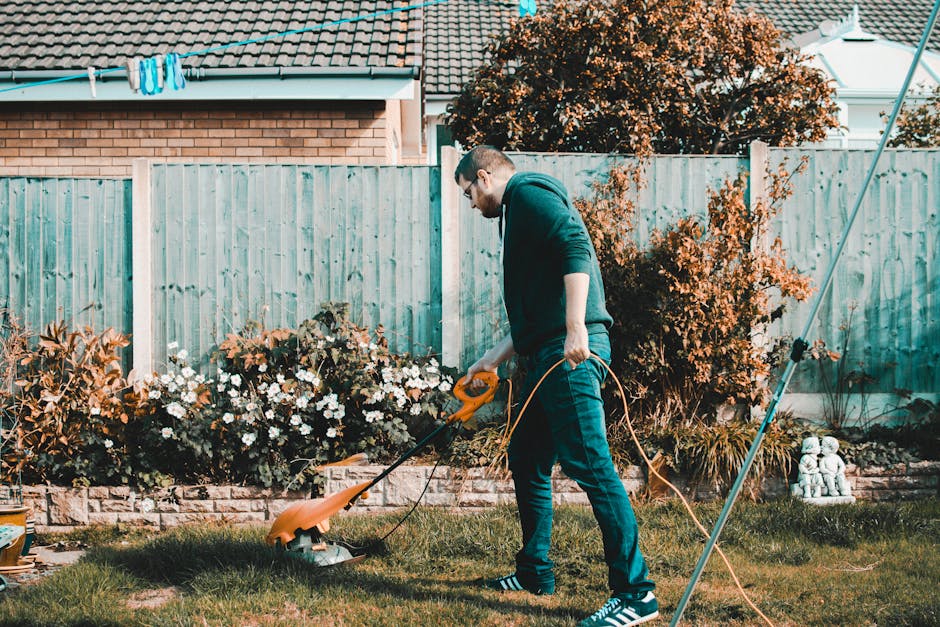
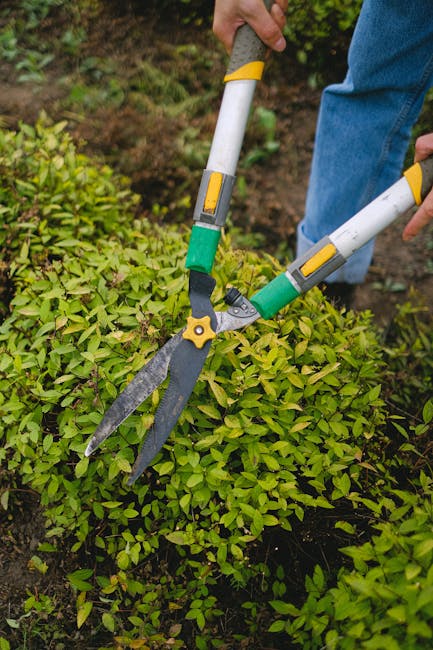
Garden maintenance Chessington what to know about real costs
If you are trying to work out Garden maintenance Chessington what to know about real costs, you are probably asking the right questions. What should a sensible quote include? Why do two gardens that look similar end up with very different prices? And how do you tell the difference between a fair price and a cheap job that will cost more later?
To be fair, garden maintenance can look straightforward from the outside. A bit of mowing, some hedge cutting, maybe a tidy-up after a windy week. But once you factor in access, garden size, green waste, seasonal growth, specialist tools, and how often the work is needed, the numbers can shift quickly. Chessington gardens also have their own feel: a mix of family gardens, mature planting, side access quirks, and the occasional patch that becomes a jungle after a wet spell. We have all seen it happen.
This guide breaks down what real garden maintenance costs usually depend on, how services are typically priced, what good value looks like, and where people often get caught out. If you are comparing options, you may also find it useful to look at broader service pages like gardening services, grass cutting, or the more local Chessington gardening services page for context.
Table of Contents
- Why Garden maintenance Chessington what to know about real costs Matters
- How Garden maintenance Chessington what to know about real costs Works
- Key Benefits and Practical Advantages
- Who This Is For and When It Makes Sense
- Step-by-Step Guidance
- Expert Tips for Better Results
- Common Mistakes to Avoid
- Tools, Resources and Recommendations
- Law, Compliance, Standards, or Best Practice
- Options, Methods, or Comparison Table
- Case Study or Real-World Example
- Practical Checklist
- Conclusion
- Frequently Asked Questions
Why Garden maintenance Chessington what to know about real costs Matters
Garden maintenance is one of those jobs that seems easy to budget for until you actually start comparing quotes. Then you realise the term itself can mean very different things. For one provider, maintenance might mean a quick mow, edging, and a tidy border. For another, it could include pruning, weeding, deadheading, hedge care, lawn treatment, green waste removal, and seasonal resets. Same phrase. Very different workload.
That is why understanding the real cost matters. Not just the headline price. The true value sits in what is included, how often the work is done, how much time the gardener needs on site, and whether the garden is being maintained before problems build up. In Chessington, where many homes have practical family gardens, you can often save money over the year by keeping on top of small jobs rather than waiting for one giant clean-up. Truth be told, a neglected garden is rarely a bargain.
Cost also matters because garden maintenance is often recurring. A one-off tidy can look affordable, but if the garden needs regular visits, the monthly or seasonal cost matters more than the initial quote. Good planning avoids surprises, and surprises are what usually upset budgets.
If you are comparing services, it helps to understand the wider package too. A company that offers tree surgery, hedge trimming, or pressure washing may be able to bundle work more efficiently than hiring separate people for separate jobs. Sometimes that saves money; sometimes it just makes life easier. Often both.
How Garden maintenance Chessington what to know about real costs Works
Most garden maintenance pricing is based on time, labour, complexity, and waste. That sounds simple enough, but each of those parts has layers.
1. Garden size and layout
A small front garden with open access is usually quicker and cheaper than a larger rear garden with narrow side access, steps, awkward corners, or dense planting. A long strip of lawn can be faster than a compact but fiddly space filled with beds, pots, and mature shrubs. Shape matters as much as square footage, sometimes more.
2. Condition of the garden
A garden that has been kept tidy weekly is much easier to maintain than one that has gone several months without attention. Overgrown grass, self-seeded weeds, heavy leaf fall, and hedges that have run wild all increase labour time. A quote for a rescue tidy-up is often a different animal from a standard maintenance visit.
3. Frequency of visits
Regular maintenance is usually better value than repeated one-off call-outs. Weekly or fortnightly visits keep the workload manageable. Monthly visits can work well for lower-maintenance gardens, though spring and summer often need more attention than autumn or winter. If you let growth build up, the price tends to build up with it.
4. What tasks are included
Some gardeners include mowing, edging, weeding, pruning soft growth, sweeping paths, and light leaf clearance. Others may charge extra for hedge work, soil care, planting, larger shrub pruning, or green waste removal. A clear written scope helps prevent awkward conversations later. Nobody likes the "oh, I thought that was included" moment.
5. Waste disposal and materials
Green waste can add a real cost. Bagging, loading, transporting, and tipping all take time. So do mulch, compost, seasonal plants, and replacement materials. If waste removal is not included in the quote, ask how it is handled. That small question can save a surprising amount of frustration.
6. Access and parking
In some parts of Chessington, access is easy. In others, parking or gate access adds time. Even five extra minutes each visit matters across a year. Good contractors factor this in properly instead of pretending it does not exist.
For related background on recurring services and what they typically cover, the pages on garden care options and regular gardening help can give useful context, especially if you are still shaping what you need.
Key Benefits and Practical Advantages
The obvious benefit of garden maintenance is a tidier garden. Fair enough. But the real gains are broader than that.
- Better long-term value: regular maintenance usually prevents expensive catch-up work later.
- Healthier planting: pruning, feeding, and timely weeding help shrubs and borders perform better.
- Safer spaces: cleared paths, controlled growth, and tidy edges reduce trip hazards.
- Improved kerb appeal: a neat front garden quietly changes how a property feels.
- Less weekend stress: not everyone wants to spend Saturday morning wrestling with a hedge trimmer.
- Seasonal control: spring growth, summer mowing, autumn leaves, and winter tidying are easier to manage when they are planned.
There is also a softer benefit that people often forget. A well-kept garden is easier to enjoy. You notice it over a cup of tea near the window, or when children can actually use the lawn without tripping over fallen branches and forgotten pots. Small thing, maybe. But it matters.
Who This Is For and When It Makes Sense
Garden maintenance makes sense for all sorts of people, not just busy homeowners. In Chessington, it is often the right move for anyone who wants a manageable outdoor space without turning it into a second job.
- Busy families: if the garden keeps sliding down the weekend list, regular help can stop it becoming overwhelming.
- Older homeowners: keeping on top of weeding, pruning, and heavier tasks can be physically demanding.
- Landlords and letting agents: tidy outdoor spaces support property presentation and reduce tenant complaints.
- Homeowners preparing to sell: a maintained garden can improve first impressions quickly.
- People with larger or more mature gardens: the more planting you have, the more often things need attention.
It also makes sense after a period of neglect, but with one important caveat: the first visit may cost more because the gardener is doing recovery work rather than maintenance. That is not a bad thing, it is just reality. If someone quotes a cheap weekly price for a wildly overgrown space, ask what happens after the first cut-back.
Sometimes the best choice is a hybrid approach: a one-off reset, then a lighter ongoing schedule. That tends to feel manageable, and your garden does not bounce back into chaos two weeks later.
Step-by-Step Guidance
If you want to estimate the real cost properly, start with the garden itself. Not the dream version. The actual one, with the uneven patch near the fence and the shrub that has clearly decided to become a small tree.
Step 1: List the work that really needs doing
Walk the garden and note what is visible. Mowing, edging, weeding, pruning, leaf clearance, deadheading, hedge trimming, path sweeping, and waste removal all sit in different effort bands. Be honest. A tidy estimate starts with honest inputs.
Step 2: Separate one-off jobs from recurring tasks
Some tasks are seasonal or occasional. Others are routine. A one-off hedge reduction is not the same as a fortnightly maintenance visit. Keeping those separate makes quotes easier to compare.
Step 3: Decide how often the garden needs attention
Weekly, fortnightly, monthly, or seasonal? The answer depends on growth rate, garden style, and how neat you want it to look. A lawn-heavy garden usually needs more frequent visits in spring and summer. A planted garden with less turf may need different care but not necessarily less total work.
Step 4: Ask exactly what is included
Before you agree to anything, confirm what is covered:
- grass cutting and edging
- weeding borders
- deadheading and light pruning
- hedge trimming
- leaf collection
- green waste removal
- planting or seasonal refreshes
If the contractor also offers services like fencing or patio cleaning, you may be able to bundle related jobs sensibly. Useful, if the garden is in that "everything needs a bit of a reset" stage.
Step 5: Compare like for like
Do not compare a quote that includes waste removal, hedge work, and edging with another that covers mowing only. That comparison is how people end up thinking the cheapest quote is best, when it is just incomplete.
Step 6: Check access, timing, and flexibility
Ask whether the gardener needs you at home, whether access can be arranged safely, and how weather affects scheduling. A properly planned service avoids lots of back-and-forth.
Step 7: Review the result after the first visit
The first visit tells you a lot. Did the work match the discussion? Was waste taken away? Did the garden look balanced or just aggressively chopped back? First impressions matter here.
Expert Tips for Better Results
If you want better value from garden maintenance, a few small habits make a big difference. Nothing fancy. Just practical stuff that keeps the work efficient.
- Keep paths and access clear before the visit so time is spent on the garden, not moving bins and toys.
- Group jobs together where possible. A hedge trim plus a tidy-up is often more efficient than two separate visits.
- Use seasonal planning rather than waiting for everything to peak at once.
- Be specific about finish level. "Tidy" to one person may mean "spotless" to another.
- Ask for a maintenance plan if the garden has a mix of lawn, shrubs, and borders.
One small but useful tip: take a few phone photos of the garden before you request quotes. It saves time, gives context, and helps contractors judge the scope more accurately. You would be surprised how much a couple of clear pictures can help.
And if you are planning broader improvement work too, a service like lawn maintenance or landscaping may be worth discussing at the same time. Not because everything must be done at once, but because small upgrades can reduce future maintenance effort. That is the kind of detail that saves money quietly.
Common Mistakes to Avoid
A lot of cost problems come from misunderstanding rather than bad intent. Still, a few mistakes crop up all the time.
- Choosing on price alone: the cheapest quote may omit waste removal or only cover the bare minimum.
- Not asking about frequency: a low monthly price can turn into poor results if visits are too infrequent.
- Ignoring overgrowth before quoting: the garden may need a one-off reset first.
- Assuming all pruning is included: different plants require different approaches, and some jobs are more specialist than others.
- Forgetting about seasonal spikes: spring and autumn can take more work than expected.
- Not clarifying waste disposal: the quote can look cheaper until the bags start piling up.
There is also the classic mistake of comparing maintenance to DIY time without counting your own hours properly. A Sunday lost to gardening is not free if you could have spent it elsewhere. Maybe with your feet up. Tempting, isn't it?
One more thing: if a garden needs careful work around trees, large shrubs, or climbing plants, do not assume every gardener will handle it the same way. Specialist jobs may need a different level of skill, equipment, or scheduling.
Tools, Resources and Recommendations
You do not need to become a gardening expert overnight, but a few tools and habits make it easier to understand what you are paying for.
Useful things to have before getting a quote
- recent photos of the garden
- approximate garden size
- a list of priority tasks
- information about access and parking
- notes on any areas you want protected, such as wildlife corners or young planting
Useful service categories to know about
Depending on the state of the garden, maintenance may overlap with other services. For example, hedge trimming is often needed alongside mowing, while tree work may be necessary if branches are blocking light or dropping too much debris. If the hard surfaces are grimy after a wet season, pressure washing can lift the whole space visually.
Simple recommendation
If you are unsure where to begin, ask for a maintenance assessment rather than a fixed idea of the final work. A good local gardener will usually tell you whether the garden needs a one-off reset, a regular upkeep plan, or a mix of both. That honest first conversation is often where the best value starts.
Law, Compliance, Standards, or Best Practice
For most domestic garden maintenance, compliance is less about complicated paperwork and more about sensible, professional practice. Still, there are a few points worth keeping in mind.
- Waste handling: green waste should be removed or disposed of responsibly, with clear agreement on who handles it.
- Noise and timing: garden machinery can be noisy, so considerate scheduling matters, especially in close residential streets.
- Property boundaries: hedge trimming and pruning should be done carefully, particularly where boundaries are unclear.
- Safety: ladders, tools, and powered equipment should be used properly. This sounds obvious, but it is one of those things worth checking.
- Protected plants and wildlife: sensitive areas should be treated with care, especially if the garden supports nesting birds, pollinators, or established planting.
Best practice also means being transparent about what is in and out of scope. A decent quote should not leave you guessing. It should tell you how often visits happen, what tasks are included, and how additional work is priced if needed. Clear beats clever every time.
If you ever have a garden with more structural issues, such as broken fencing or damaged paving, it can be sensible to line up the right support rather than bundling everything into a maintenance visit. That is where services like fencing repair and replacement or patio cleaning may come into play alongside routine upkeep.
Options, Methods, or Comparison Table
Here is a simple way to think about the main maintenance options. Real quotes will vary, but this comparison helps you understand what you are buying.
| Option | Best for | Typical cost driver | What to watch for |
|---|---|---|---|
| One-off tidy-up | Overgrown or neglected gardens | Labour time and green waste | May cost more than ongoing maintenance at first |
| Regular maintenance visit | Gardens that need steady upkeep | Visit frequency and task list | Check whether pruning and waste removal are included |
| Seasonal service | Lower-maintenance gardens | Spring, summer, and autumn workload | May not be enough for fast-growing gardens |
| Mixed service plan | Gardens with lawns, beds, hedges, and hard surfaces | Combination of recurring and occasional tasks | Requires a clear scope so nothing gets missed |
The big idea here is simple: choose the level of service that matches the pace of your garden, not the fantasy version in your head. Gardens have a habit of correcting us if we get that wrong.
Case Study or Real-World Example
Imagine a typical Chessington rear garden. Not huge, but not tiny either. There is a lawn, a few borders, a hedge along one side, and a patio that has gone a bit dull after months of wet leaves and foot traffic. The owner calls for a quote after noticing the grass has become patchy and the borders are full of weeds.
At first glance, they expect a simple monthly mow. But once the gardener looks properly, the real work becomes clearer. The hedge needs trimming. The lawn edges have disappeared. The patio is slippery in places. The borders need weeding before anything else can look tidy. The quote changes, not because the job is being made up, but because the actual workload is broader than the first impression suggested.
That is a very normal situation. In fact, it is one of the most common reasons people feel gardening costs are unpredictable. They are not unpredictable so much as incomplete at first glance. Once the scope is clear, the pricing usually makes more sense.
In a case like this, a sensible approach might be:
- one initial tidy-up visit
- hedge and edge correction
- patio clean to lift the surface
- follow-up maintenance every two to four weeks during the growing season
That sequence tends to feel much more manageable than trying to force everything into one cheap, all-in quote. And honestly, the garden usually looks better for it too.
Practical Checklist
Use this checklist before you book any garden maintenance in Chessington:
- Have I listed the exact tasks I want done?
- Do I know whether this is a one-off visit or ongoing maintenance?
- Have I asked what is included in the quote?
- Do I know whether waste removal is included?
- Is the garden currently overgrown and likely to need a reset first?
- Have I shown photos or given a clear description of access issues?
- Have I compared at least two quotes on a like-for-like basis?
- Do I understand how often the garden will need attention?
- Have I checked whether hedge, tree, or patio work should be priced separately?
- Have I chosen a service level that matches how I actually use the garden?
Expert summary: the real cost of garden maintenance is rarely about the grass cut alone. It is about the full picture: access, frequency, condition, waste, and the finish level you want. If those pieces are clear from the start, pricing becomes much easier to understand and far less frustrating.
Conclusion
When people ask about Garden maintenance Chessington what to know about real costs, what they usually want is not just a number. They want confidence. They want to know what they are paying for, how often they need it, and how to avoid hidden extras.
The good news is that most cost surprises can be avoided with a proper scope, a realistic view of the garden's condition, and a little seasonal planning. Keep an eye on frequency, waste removal, access, and whether the work is routine or recovery-based. That alone will put you ahead of a lot of rushed decisions.
If you are weighing up your options, take the time to compare services properly and think in terms of long-term upkeep rather than a quick fix. Gardens reward consistency. A little care, done regularly, goes a long way. And on a bright morning in Chessington, with the lawn edged neatly and the borders under control, it really does make home feel calmer.
Get a free quote today and see how much you can save.
Frequently Asked Questions
What does garden maintenance usually include in Chessington?
It usually includes tasks like mowing, edging, weeding, light pruning, hedge trimming, leaf clearance, and general tidying. The exact scope depends on the provider, so always check what is included before booking.
Why do garden maintenance quotes vary so much?
Quotes vary because gardens differ in size, condition, access, and task complexity. Waste removal, hedge work, and overgrown areas can increase the time needed, which affects the price.
Is a one-off garden tidy more expensive than regular maintenance?
Often, yes. A one-off tidy usually involves more labour because the garden may have overgrowth, heavy weeding, or extra waste. Regular maintenance tends to spread the work and cost more evenly.
How often should a garden in Chessington be maintained?
That depends on the garden. Fast-growing lawns and borders may need weekly or fortnightly attention in spring and summer, while lower-maintenance gardens may only need monthly or seasonal visits.
Does green waste removal usually cost extra?
It can. Some gardeners include it, while others charge separately depending on the amount of waste and disposal method. Always ask, because this is one of the most common hidden cost differences.
What is the cheapest way to keep a garden tidy?
Keeping up with small jobs regularly is usually the cheapest approach over time. Once a garden becomes overgrown, the first visit often costs more because it becomes a catch-up job rather than routine care.
Should I ask for a fixed price or an hourly rate?
Both can work. A fixed price is useful when the scope is clear, while an hourly rate may suit unpredictable jobs. What matters most is that you understand exactly what is covered and how extras are handled.
How do I compare garden maintenance quotes fairly?
Compare like for like. Check whether mowing, weeding, hedge work, waste removal, and edging are included in each quote. A cheaper price is not useful if half the work is missing.
Can maintenance include more than just gardening?
Yes, sometimes. Some services can also cover related work such as patio cleaning, fencing, or basic landscaping. If that is useful, ask whether it can be bundled sensibly.
What should I do if my garden is badly overgrown?
Start with a one-off reset or clearance visit, then move to a regular maintenance plan. That is usually more realistic than trying to jump straight into a low-cost ongoing service.
Are there any legal or safety concerns I should think about?
Yes, but they are mostly common-sense concerns: safe tool use, clear agreement on waste disposal, care around boundaries, and awareness of nesting wildlife or protected planting. A professional approach should handle these carefully.
What is the best next step if I want a proper price for my garden?
Gather a few photos, list the tasks you want done, note access details, and request a quote based on the actual condition of the garden. That gives you the best chance of getting a realistic, fair price.