Gardens on steep slopes Chessington South gardeners guide
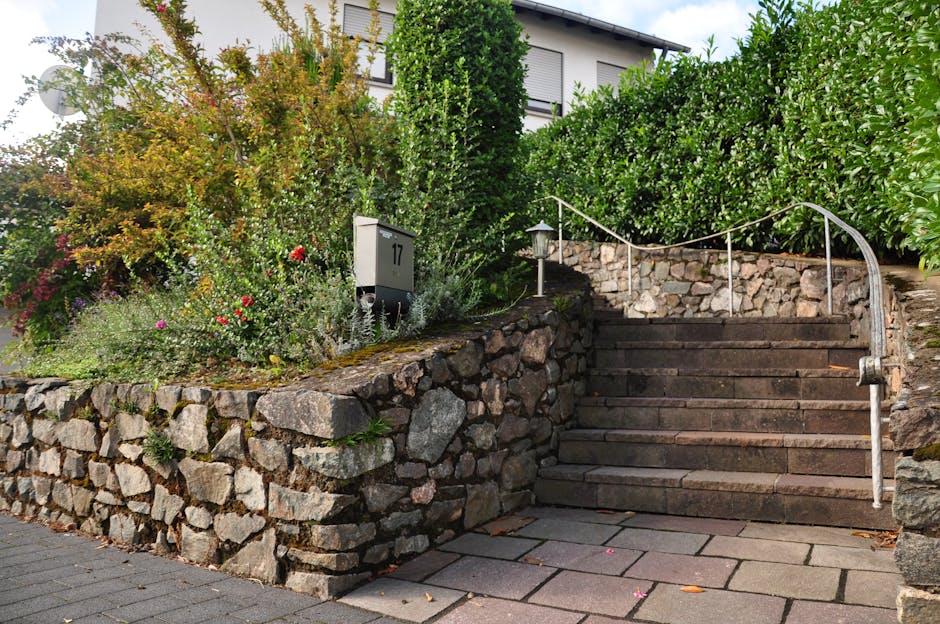
If you live with a sloping garden in Chessington South, you'll know the feeling: one heavy shower and suddenly the soil has moved, the lawn looks patchy, and the run-off has chosen a path of its own. A steep garden can be beautiful, but it can also be awkward, slippery and a bit of a headache if it hasn't been planned properly. This Gardens on steep slopes Chessington South gardeners guide breaks down what matters, how sloping gardens actually work, and the practical steps that make them easier to live with.
Whether you want to stop erosion, make the garden safer to use, improve planting, or simply make the whole space feel less like a hill and more like a garden, the right approach makes a huge difference. To be fair, you do not need to flatten everything to enjoy it. Often, the best results come from working with the slope, not against it.
This guide covers the key decisions, common mistakes, useful methods, and the kind of local, real-world thinking that helps in South West London gardens where soil, access, and drainage can all play a part.
Table of Contents
- Why Gardens on steep slopes Chessington South gardeners guide Matters
- How Gardens on steep slopes Chessington South gardeners guide Works
- Key Benefits and Practical Advantages
- Who This Is For and When It Makes Sense
- Step-by-Step Guidance
- Expert Tips for Better Results
- Common Mistakes to Avoid
- Tools, Resources and Recommendations
- Law, Compliance, Standards, or Best Practice
- Options, Methods, or Comparison Table
- Case Study or Real-World Example
- Practical Checklist
- Conclusion
- Frequently Asked Questions
Why Gardens on steep slopes Chessington South gardeners guide Matters
Steep gardens are not just "a bit harder to mow." They behave differently from level plots, and that changes almost everything: drainage, planting choices, access, safety, and maintenance. In Chessington South, where many homeowners want a neat, usable garden without turning it into a full engineering project, a practical guide is invaluable.
The biggest issue is that water moves fast on a slope. Rain can wash away mulch, expose roots, and leave dry patches higher up while soaking the lower end. Soil also tends to shift more easily, especially if the ground is bare or compacted. If you've ever seen a border look tidy on Monday and slightly collapsed by Friday after a wet spell, you'll know exactly what I mean.
Another reason it matters is everyday usability. A slope can make routine jobs feel fiddly: wheelbarrows tip, mowers struggle, and carrying compost becomes a small workout nobody asked for. Yet with the right structure, even a steep garden can become one of the most characterful parts of a property.
If you're deciding whether to improve the space yourself or bring in professional help, it can help to read around the broader local service picture too. For example, many homeowners compare landscape gardeners, garden design support, or more specific services such as patios and fencing when planning a sloping plot. That's usually the right instinct, because steep gardens often need a joined-up approach rather than one quick fix.
How Gardens on steep slopes Chessington South gardeners guide Works
At its simplest, managing a steep garden means breaking the slope into manageable parts. Instead of treating the whole area as one incline, you create flat or gentler zones, control water movement, and choose planting that helps hold soil in place.
There are usually four big principles at work:
- Stabilise the soil so rain and foot traffic do not constantly disturb it.
- Manage water so it drains without causing erosion or pooling.
- Improve access so the garden is usable, not just visible.
- Choose the right planting to reduce maintenance and reinforce the structure.
In practical terms, that might mean adding terraces, steps, retaining walls, edging, gravel paths, deep-rooted planting, or ground cover. In some gardens, a simple regrading and replanting job is enough. In others, especially where the slope is severe or the soil is unstable, the solution may need more robust construction. That is where a careful site assessment matters. No two slopes are quite the same, and honestly, the second you assume they are, the slope usually reminds you who is boss.
Drainage deserves special attention. A steep garden often looks fine in dry weather, then turns awkward after a storm. Water may travel straight down the incline and collect at the bottom, or it may carve channels through bare soil. Good slope management slows that flow down. Sometimes the answer is subtle, like shaping planting beds and using mulch correctly. Sometimes it is more structural, like a retaining feature or a drainage run that suits the site.
If the garden backs onto a boundary or a shared access point, it can also make sense to think about how the work interacts with nearby structures. A plan that improves the slope but makes the edge feel cramped or dark is not really a win. The best sloping gardens feel balanced.
Key Benefits and Practical Advantages
Handled properly, a steep garden can offer more than just a workaround. It can become more attractive, easier to maintain, and more useful day to day.
1. Better use of space
Terracing or gentle level changes can turn an awkward incline into separate garden rooms. One level might be for seating, another for planting, and another for play or storage. That makes the garden feel bigger, not smaller.
2. Reduced erosion
When soil is exposed on a slope, rain can strip it away surprisingly quickly. The right planting, edging, and surface materials help lock things in place and protect the garden long term.
3. Easier maintenance
A well-planned slope can be much simpler to care for. Ground cover reduces weeding, access routes make maintenance safer, and stable borders stop soil from constantly spilling downhill.
4. Safer movement around the garden
Steps, handrails where appropriate, non-slip surfaces and sensible path gradients can make a huge difference, especially for households with children, older family members, or anyone who is unsteady on their feet.
5. Stronger planting performance
Plants placed according to sun, drainage and slope direction usually settle better. Many hillside gardens do well with hardy shrubs, ornamental grasses, tough perennials and native-style planting that tolerates movement and wind.
6. Better visual structure
A slope can create natural drama. The trick is shaping it so it looks intentional. Good lines, repeated materials and layered planting can turn a difficult gradient into a proper feature. Truth be told, some of the best gardens have a bit of level change in them.
Expert summary: The best steep-garden results usually come from three things working together: structure, drainage and planting. If one of those is ignored, the whole garden tends to feel unfinished or harder to maintain than it should.
Who This Is For and When It Makes Sense
This guide is useful for several kinds of homeowners and property managers in Chessington South:
- People with a garden that slopes noticeably from front to back or side to side
- Households struggling with erosion, mud or runoff after rain
- Anyone wanting to add a patio, lawn, seating area or planted terrace to a difficult site
- Families who need safer access and better movement through the garden
- Owners preparing to renovate a tired or underused outdoor space
- People who want lower-maintenance planting rather than a constantly slipping border
It also makes sense if you already know the slope is causing problems but you are not sure whether the answer is a small tidy-up or a bigger redesign. Sometimes you only need a few fixes. Other times the garden is basically asking for a better layout. There is no shame in that.
If you're working through options, related pages on soft landscaping, hard landscaping, and turfing can help you compare what kind of transformation is realistic for your space. The right route depends on whether the priority is appearance, stability, usability, or a bit of everything.
Step-by-Step Guidance
The most successful sloping-garden projects follow a clear sequence. Rush the early steps and you can end up fixing the same issue twice. Nobody wants that, especially not after paying for materials and labour.
Step 1: Assess the slope properly
Start by looking at the gradient, soil type, drainage pattern and access points. Ask yourself:
- Where does water run after rain?
- Which parts get slippery or muddy?
- Are there bare patches, exposed roots or signs of slippage?
- What do you actually want to use the garden for?
A slope that feels steep to walk on may not need major structural work, but a steep bank that keeps shedding soil probably will.
Step 2: Decide on the main function of the space
Be clear about the garden's purpose. Is it for entertaining, children, wildlife, light gardening, or simply looking good from the house? If you try to make every inch do everything, the design can get muddy quickly. A practical layout almost always beats a packed one.
Step 3: Choose the right structural approach
For many steep gardens, the main options are:
- terracing or stepped levels
- retaining features
- slotted steps and access paths
- regrading small sections of the slope
- plant-led stabilisation with minimal construction
The right choice depends on scale, budget and how much ground movement is happening. If the garden is very steep, a light-touch approach may not be enough. If the issue is mainly visual or functional, you may not need to overbuild it.
Step 4: Plan drainage before planting
This is where people often get caught out. Drainage should be thought through before the final planting goes in. Once plants are established, digging back in is annoying and disruptive. Using the natural fall to your advantage is usually better than trying to fight it.
Step 5: Build stable access
Safe steps, level landings and sensible paths are a big part of making a steep garden usable. Surfaces should be chosen with grip and maintenance in mind. A beautiful but slick path after a wet October afternoon is a nuisance, plain and simple.
Step 6: Plant for slope conditions
Choose plants that can cope with exposure, movement and drainage patterns. Deep-rooted and spreading plants can help stabilise the soil. Ground cover is often more useful than decorative bare soil on a bank. In exposed areas, hardy shrubs and grasses usually behave better than delicate, thirsty plants.
Step 7: Mulch, edge and protect
Mulch helps retain moisture and reduce erosion, but it needs to be applied sensibly so it does not wash away. Edging gives definition and helps keep materials where they belong. Small details matter here. They really do.
Step 8: Maintain with the slope in mind
A steep garden usually needs maintenance done a little differently. Cut back growth in stages, avoid compacting saturated soil, and watch for washout after storms. A few small interventions through the year prevent the bigger problems from building up.
Expert Tips for Better Results
These are the sorts of details that tend to separate a decent slope project from one that ages well.
- Work from the bottom up. If the base of the slope is unstable, fix that first. Otherwise the upper parts keep feeding problems downhill.
- Use repeated materials. Repeating paving, timber, gravel or planting styles creates calm and makes a complex garden feel intentional.
- Avoid large bare areas. Bare soil on a steep incline is an open invitation for erosion, especially after heavy rain.
- Think in bands or zones. Slopes respond well to layered design. It is visually tidier and structurally more sensible.
- Keep access generous. Narrow paths on a slope can feel awkward fast, especially when tools or bags are involved.
- Use plant repetition. Repeating a few tough plants often looks better than mixing too many varieties together.
- Leave room for maintenance. A slope that looks perfect but cannot be reached easily tends to become a problem later.
One small but useful trick: stand at the top of the garden on a drizzly day and watch where the water moves. You do not need a surveyor's report to notice the obvious channels. That real-world observation is often more useful than a dozen assumptions made in dry weather.
And if you are choosing between planting styles, a little restraint helps. A strong, simple palette usually performs better than a crowded border that needs constant correction.
Common Mistakes to Avoid
Steep gardens are forgiving in some ways and brutally honest in others. If the slope is poorly handled, it tells you quickly. Here are the mistakes I would watch out for.
Ignoring drainage until the end
This is probably the biggest one. If water management is left as an afterthought, the garden may look finished but behave badly after the first proper rain.
Overcomplicating the design
It is tempting to cram in too many features: steps, seats, borders, ornaments, levels, lighting, a lawn, a veg patch. On a slope, that can all become a bit much. Simpler is often stronger.
Choosing plants that are too delicate
Plants that need rich, level, evenly moist soil may struggle if the site is exposed or fast-draining. Pick species that suit the conditions rather than forcing favourites into the wrong place.
Using slippery surfaces
Smooth paving or poorly chosen timber can become hazardous. A garden path on a slope should feel safe in wet weather, not just look pretty in summer.
Not planning for maintenance access
If you cannot reach the planting beds without balancing on a bank, maintenance becomes a chore. Design the access in from the beginning.
Leaving the soil exposed
Even a short spell of heavy rain can damage unprotected slope areas. Mulch, planting or ground cover helps guard against that.
Honestly, most steep-garden regrets come from trying to save time early on and paying for it later. A little more thought at the start tends to save a lot of bother.
Tools, Resources and Recommendations
You do not always need specialist kit to improve a sloping garden, but the right tools make the job safer and neater.
Useful tools
- sturdy spades and forks for digging and shaping
- garden rake for levelling and clearing debris
- wheelbarrow with good balance for moving materials
- tape measure and line level for layout
- compact hand tools for planting on banks
- work gloves with grip
- non-slip footwear for wet or uneven ground
Practical resources to consider
- a site sketch showing levels, access points and drainage paths
- sample material choices for steps, edging and surfacing
- plant lists suited to sun, shade and soil moisture on slopes
- maintenance notes for seasonal trimming and inspection
For larger projects, it can also help to compare related services before you start. A steep garden may need a combination of garden clearance, tree surgery if mature trees affect light or root movement, and even garden drainage solutions where runoff is causing recurring problems. That joined-up view is usually much better than tackling symptoms one by one.
Law, Compliance, Standards, or Best Practice
For domestic gardens, there is usually no single rulebook for sloping ground, but there are sensible best practices and, in some cases, planning or boundary considerations to keep in mind.
If a project involves substantial retaining structures, major level changes, boundary walls, shared drainage routes, or work close to neighbouring land, it is wise to check whether any permissions, notices or structural considerations apply. The details can vary by property and scope, so a cautious, case-by-case approach is the right one. Better to ask the question early than deal with a complication halfway through.
Best practice also means working safely during installation. Slopes can be awkward underfoot, especially when wet. Temporary access, stable footing, sensible lifting and clear spoil management all matter. If a contractor is involved, they should be able to explain how they plan to protect the site, manage materials, and avoid unnecessary disturbance.
Where retaining features or steps are part of the design, durability is key. Proper foundations, suitable drainage behind retaining elements, and good workmanship are not optional extras. They are what stop the garden from failing slowly later on.
In the UK context, a trustworthy approach is usually the one that puts safety, drainage and neighbour awareness first. Fancy is fine. Stable is better.
Options, Methods, or Comparison Table
There is no single correct way to manage a steep garden. The best method depends on the slope, budget, and end use. Here is a simple comparison.
| Method | Best for | Advantages | Trade-offs |
|---|---|---|---|
| Terracing | Very steep or awkward gardens | Creates usable flat areas, improves access, strong visual structure | More construction, higher cost, may need good planning |
| Retaining features | Soil stabilisation and level changes | Controls movement, supports planting beds, tidy finish | Needs careful design and drainage |
| Ground cover planting | Moderate slopes with lighter intervention | Reduces erosion, low maintenance, natural look | Slower immediate impact, needs establishment time |
| Steps and access paths | Gardens needing safe movement | Improves usability, makes maintenance easier | Must be designed for grip and comfort |
| Regrading small sections | Localised problem areas | Can simplify layout without full rebuild | May not solve larger slope issues |
If you're unsure which route is right, the decision usually comes down to this: do you need the garden to look better, work better, or both? That answer usually points to the right combination of methods.
Case Study or Real-World Example
Picture a typical Chessington South back garden: narrow at the house, dropping steadily toward the rear boundary, with a patchy lawn in the middle and a border that keeps washing out at the edges. After rain, the lower half stays soggy while the top dries out quickly. The owners want somewhere to sit, a space for planting, and less mess underfoot.
A sensible redesign might begin with clearing out the failed lawn sections and levelling the most useful area closest to the house. A small terrace could create a seating zone, followed by a stepped planting bank with hardy shrubs, ornamental grasses and ground cover to hold the soil. Drainage would be built into the layout, so water is slowed and directed rather than allowed to carve its own route. Paths would be kept wide enough for regular use, and the surface would be chosen for grip after rain.
The result? The garden becomes more usable straight away. The lower slope stops behaving like a washout channel. The planting looks more deliberate. And maintenance becomes a lot less fiddly. Not magic, just good planning.
That sort of transformation is often what people want but cannot quite put into words at first. They know the garden feels wrong. They just need a design that makes the slope part of the solution instead of the problem.
Practical Checklist
Use this checklist before starting any steep-garden work.
- Identify where water runs during and after rainfall
- Note slippery spots, erosion patches and unstable soil areas
- Decide what you want from the space: seating, planting, access, lawn or mixed use
- Choose whether the solution is light-touch, structural, or a mix
- Plan drainage before final planting
- Use safe, non-slip access routes
- Select plants suited to slope conditions and local exposure
- Keep bare soil to a minimum
- Check boundary and structural considerations before major work
- Make sure maintenance access is realistic
If you can tick off most of those points, you're already ahead of the game. Really.
Conclusion
A steep garden in Chessington South does not have to be a nuisance. With the right mix of structure, drainage, planting and access, it can become one of the most distinctive and useful parts of the property. The key is to respect the slope, not fight it blindly. Once you do that, the garden usually starts to make sense.
For many homeowners, the smartest next step is a clear assessment of what the slope is doing now and what you want it to do instead. From there, you can decide whether you need terracing, planting, steps, drainage improvements, or a broader redesign. Small improvements can go a long way. Bigger transformations can be worthwhile too, if they are properly planned.
If you're ready to turn an awkward incline into something calmer, safer and easier to enjoy, start with the layout, not the wish list. That one shift makes the rest feel much more manageable.
Get a free quote today and see how much you can save.
And if all this has reminded you that your garden has better potential than it's currently showing, that's a good place to be. A slope can be tricky, yes, but it can also be full of character. Little by little, it can become something you're genuinely pleased to look at again.
Frequently Asked Questions
What is the best way to deal with a steep garden in Chessington South?
The best solution depends on the slope, soil, drainage and how you want to use the space. For many gardens, a mix of terracing, planting, drainage control and safer access works better than trying to level everything.
Do I always need retaining walls for a sloping garden?
No, not always. Some slopes can be managed with planting, edging and light regrading. Retaining walls are more suitable where the slope is severe, unstable, or needs clear level changes. They should be designed carefully so drainage is not trapped behind them.
How do you stop erosion on a steep slope?
Use ground cover plants, mulch, edging and proper drainage to slow water movement and protect bare soil. In more exposed areas, structural changes like terraces or retaining features may be needed too.
Can a steep garden still have a lawn?
Yes, but it depends on the gradient and how practical mowing will be. Some slopes suit turf in smaller, flatter sections, while others work better with planting, gravel or terracing instead of a full lawn.
What plants work well on a steep slope?
Hardy shrubs, spreading perennials, ornamental grasses and ground cover plants often do well because they help hold soil and cope with movement. The best choices depend on sun, shade, soil type and how exposed the garden is.
Is a sloping garden harder to maintain?
It can be, if it has been left untreated. But a well-planned slope is often easier to manage than a poorly designed level garden with bad drainage. Good access and low-maintenance planting make a big difference.
How much does it cost to improve a steep garden?
Costs vary a lot because the scope can range from planting and drainage tweaks to full terracing and structural work. The biggest factors are site access, materials, labour and how much ground movement is involved. A proper site visit is usually the only sensible way to estimate it.
Can I make a steep garden safer for children and older visitors?
Yes. Wider paths, safer steps, non-slip surfaces, sturdy edges and clear handholds where appropriate all help. The key is to make movement predictable and avoid awkward, uneven transitions.
Do I need permission for major work on a sloping garden?
Sometimes, depending on what is being built and where it sits in relation to boundaries or structures. Major retaining features, significant level changes or work affecting drainage can raise planning or neighbour-related considerations, so it is best to check before starting.
What is the easiest low-maintenance option for a steep bank?
Usually a planted bank with strong ground cover, mulch and simple edging is the least demanding option. It does not create level space, but it can dramatically reduce erosion and make the area look much tidier.
How do I know whether my slope needs a professional gardener or a landscaping contractor?
If the issue is mainly planting and maintenance, a knowledgeable gardener may be enough. If you need drainage changes, steps, terraces, retaining structures or larger layout changes, a landscaping contractor is usually the better fit.
What should I ask before hiring someone for a steep-garden project?
Ask how they would handle drainage, access, soil movement and maintenance after completion. It also helps to ask what they would not do. A good contractor should be able to explain the trade-offs honestly rather than promising an unrealistic quick fix.